


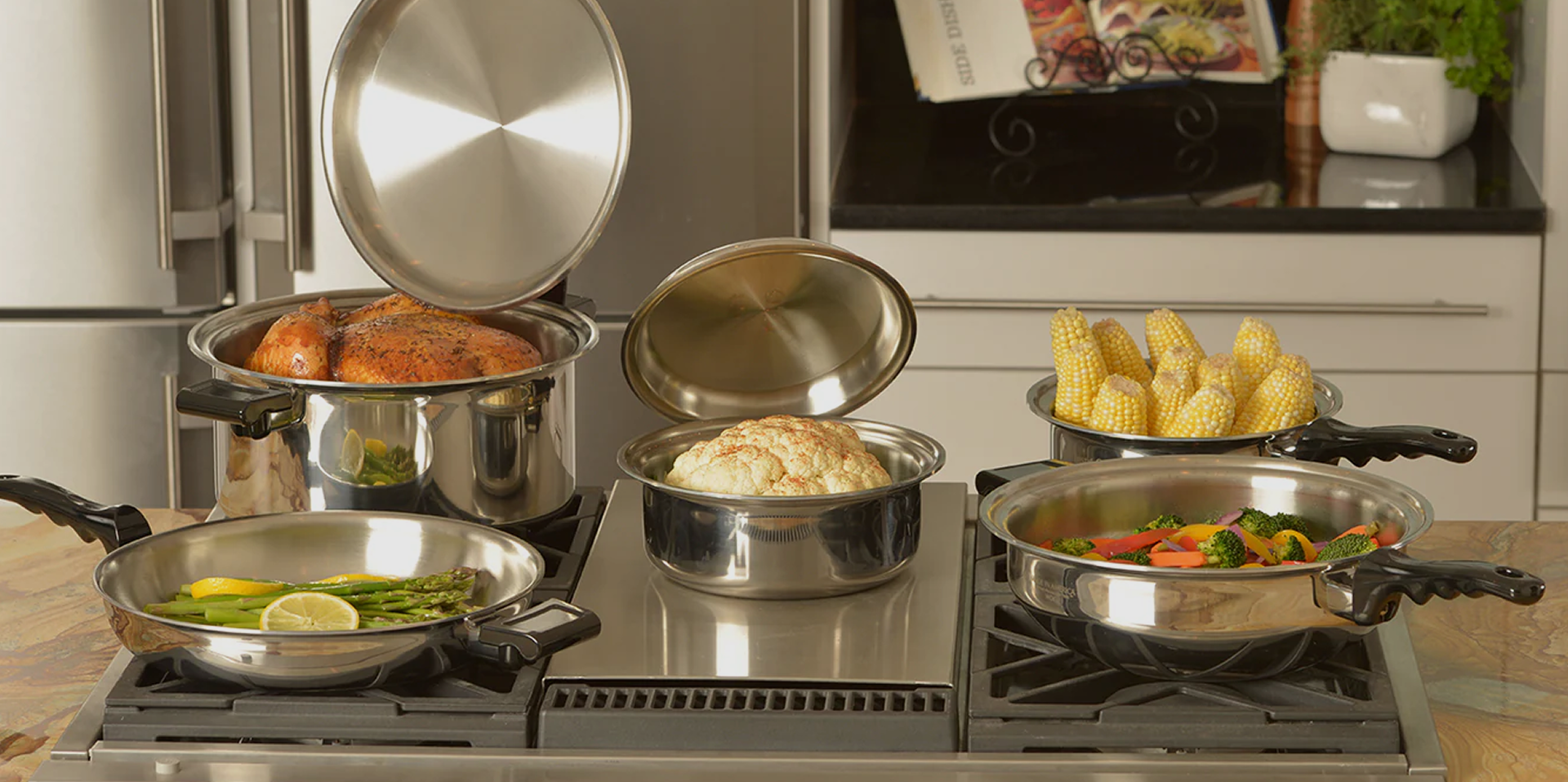
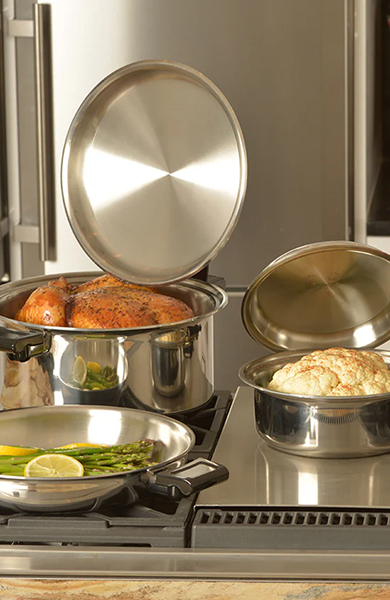
Cook Healthier Meals with Waterless Cookware
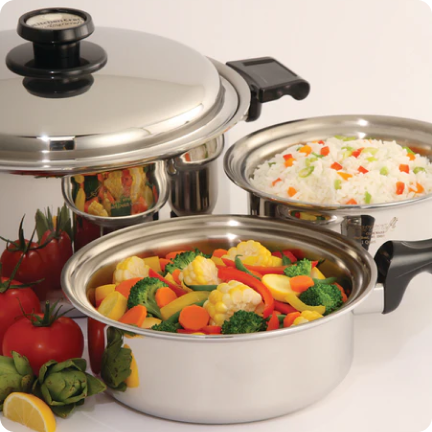
Preserve nutrients and flavor with our innovative, no-water, no-fat cooking technology and enjoy the benefits of our premium, lifetime-warranty waterless cookware.
One Pan,
Lots of Benefits.
Shop Now 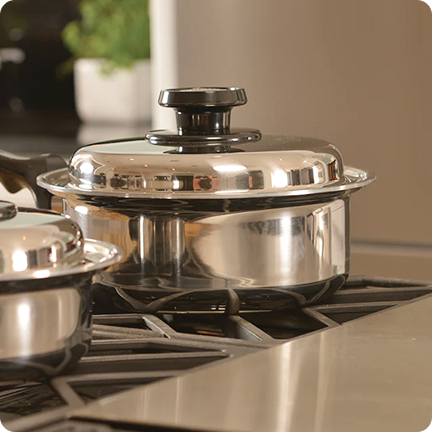
Handcrafted in America
Kitchen Craft Cookware is handcrafted in America, which is manufactured in West Bend, Wisconsin.
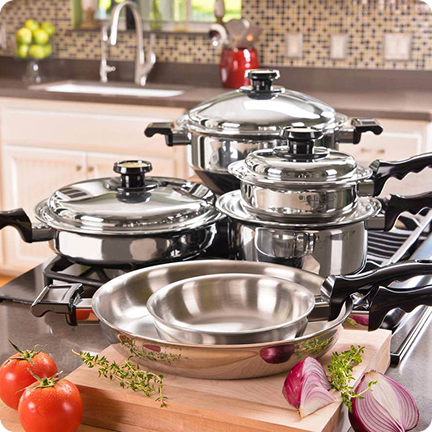
Built to Last a Lifetime
Our stainless steel cookware is made with the highest quality stainless steel, so it is built to last.
Lifetime Warranty
All of our products come with a lifetime warranty so you can enjoy the energy saving benefits of green cooking and better tasting food as long as you’d like.

3000+
5-Star Reviews
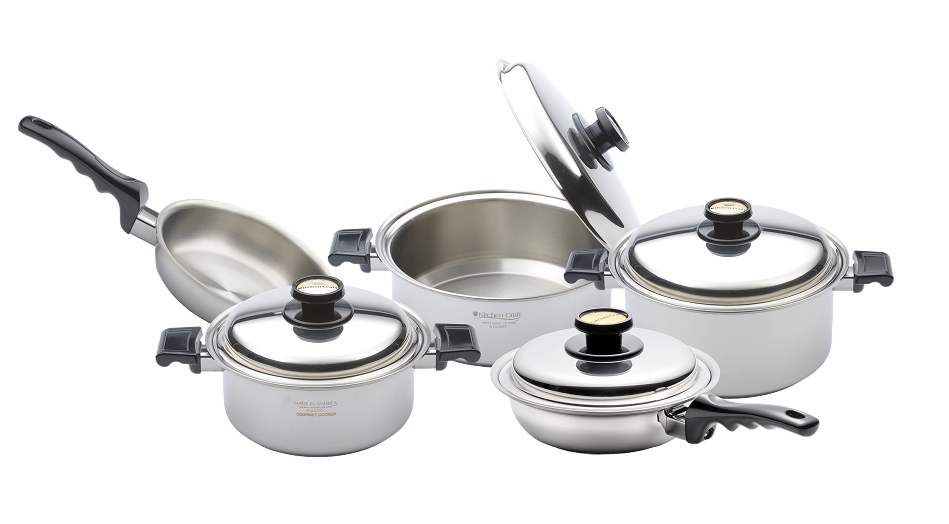
Meet Best in Class Stainless Steel Pan
Shop Now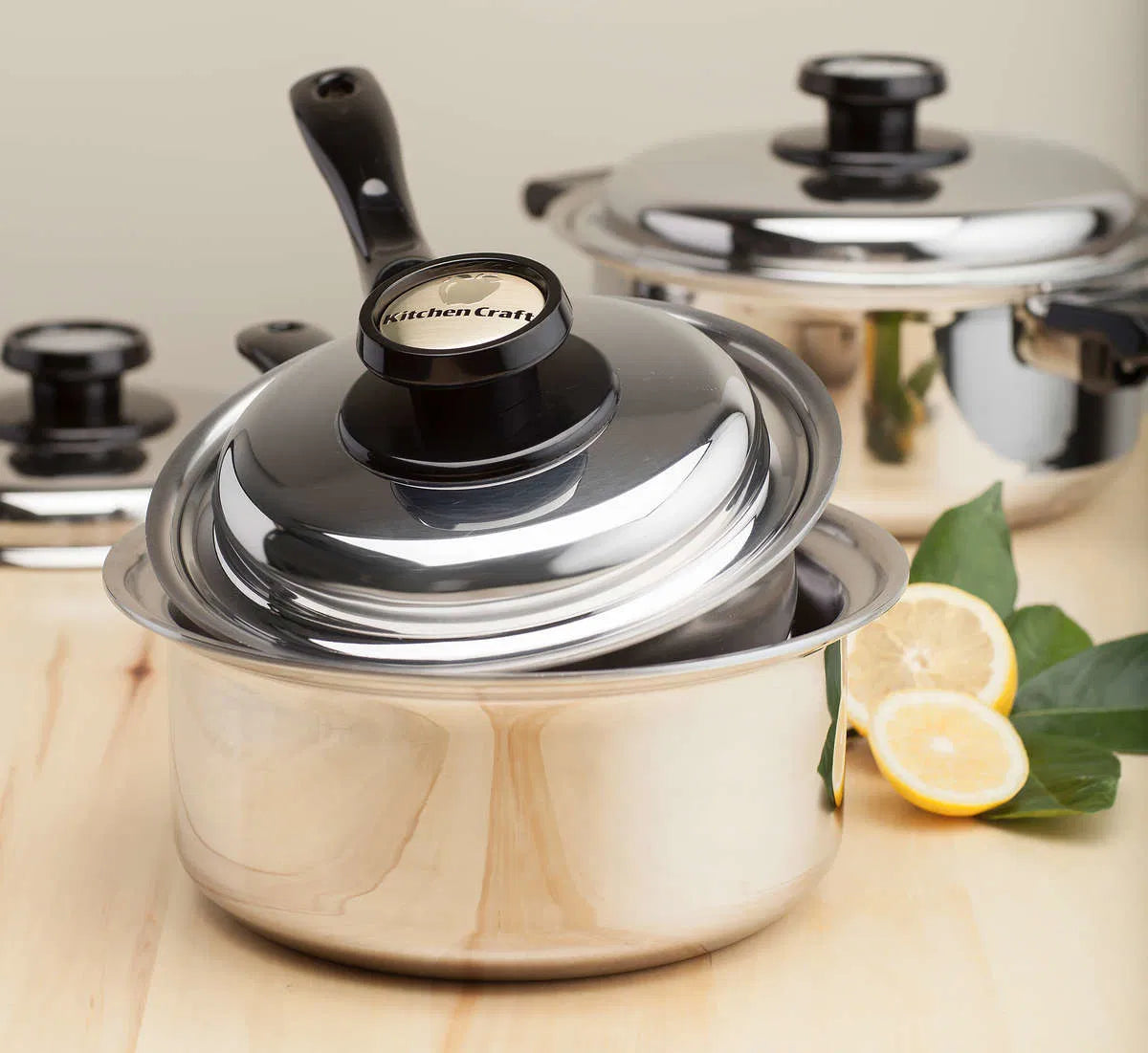
Our Mission
We believe that healthy families grow around the kitchen table. Our collections are timeless heirlooms that are handcrafted in our historic West Bend, Wisconsin factory to feed your family for generations. We want you to harness the power of waterless cookware designed to help you transform the way you and your loved ones cook and feel.
-
 5.0 (3)
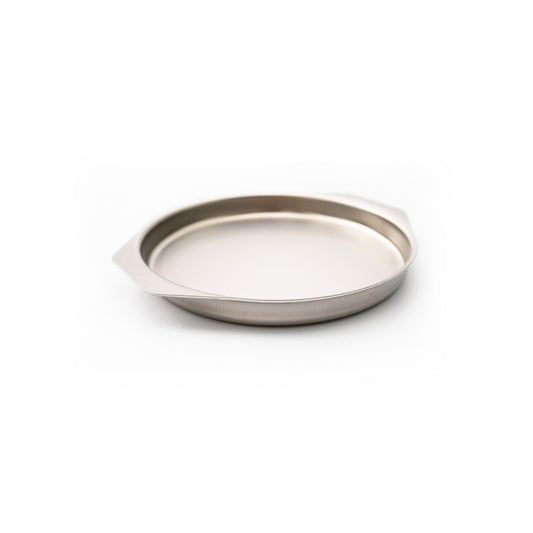
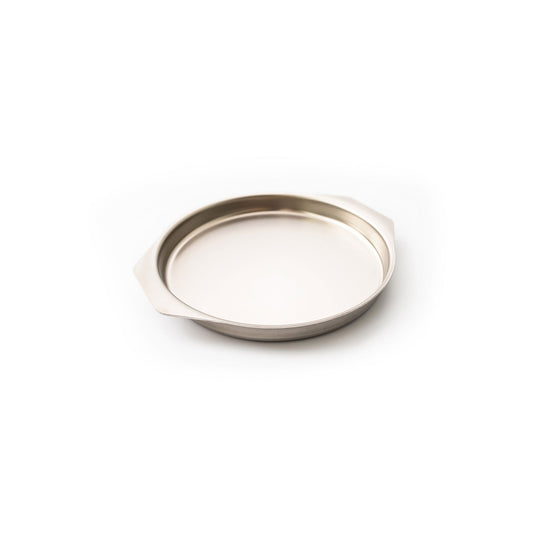
9" Round Baking Pan
From brownies and cookie cakes to roasting vegetables, this durable, stainless steel 9" round baking pan is designed for the busy baker and home chef. With its lifetime warranty it will provide years of effortless baking and easy cleanup. Experience the even heating and baking to perfection in every bite. Whether you’re baking a cookie cake, brownie, tart or deep dish pizza our round baking pan is sure to deliver your family the ultimate experience.
Product Features:
Diameter Tab to Tab 10.75"
Inside Cooking Diameter: 9"
Inside Height: 1"
Product Weight: 1lb 5oz
Oven Safe Up To 500 Degrees
Cladded Metal
.07 Gauge
T-304 Surgical Grade Stainless Steel
Handcrafted in the U.S.A
This Item Includes:
9" Round Baking Pan and Certificate of Authenticity.Buy now Regular price $119.00Regular price $119.00Unit price per$29.75 /mo

-
 5.0 (1)
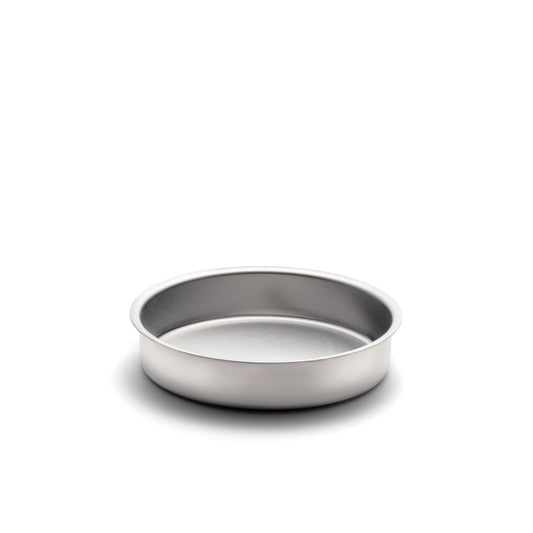
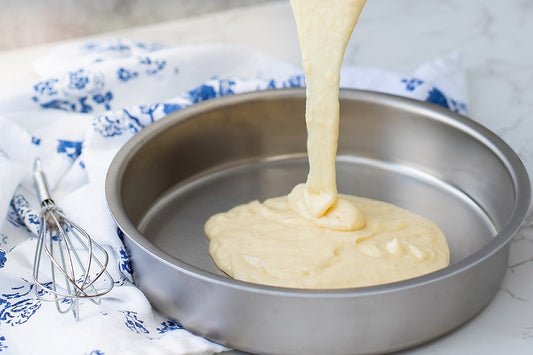
9" Round Cake Pan with No Handles
Durable 9" round stainless steel baking pan ensures even heating for perfect brownies, cookie cakes, and more with lifetime warranty.Buy now Regular price $109.00Regular price $109.00Unit price per$27.25 /mo
-
 5.0 (6)
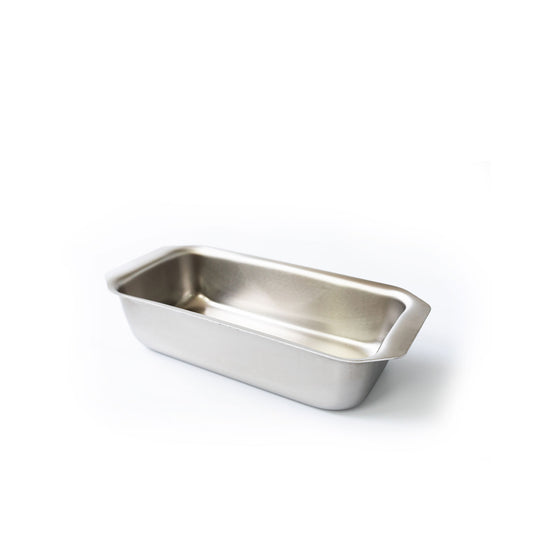
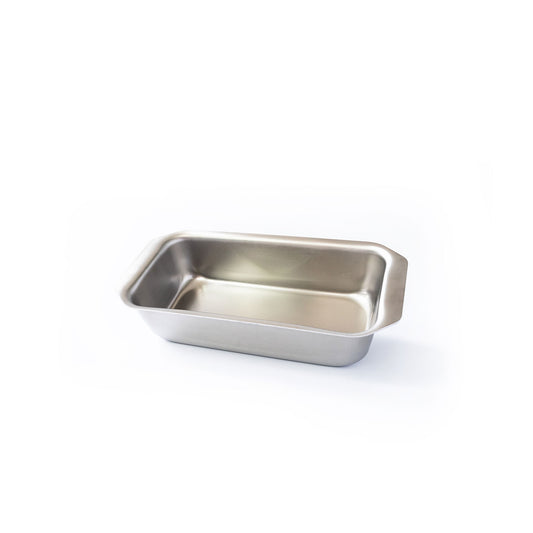
Multi Ply Stainless Steel Loaf Pan with Tab Handles
Expand your baking capabilities by adding the Kitchen Craft Cookware Stainless Steel Loaf Pan to your collection. Measuring slightly larger than most, Kitchen Craft Cookware's Loaf Pan mimics the sleek design, performance and quality of their stainless steel cooking tools. It’s made with 3-Ply construction and has a T-304 surgical stainless steel baking surface. No other bakeware cooks so evenly! It has convenient tab handles that will fit perfect in small toaster or convection oven and most importantly, it's Handcrafted in the USA. As is the case with every Kitchen Craft Bakeware product, the Loaf Pan is covered by a Lifetime Warranty.
Product Features:
Dimensions Rim to Rim: 11-7/8
Inside Height: 2-5/8"
Inside Cooking Dimensions: 10"x5"
Height Outside: 2-3/4"
Weight: 1.5bs
Oven Safe 500 Degrees
Cladded Metal
.07 Gauge
T-304 Surgical Grade Stainless Steel
5-Ply
Handcrafted in the U.S.A.Buy now Regular price $129.00Regular price $129.00Unit price per$32.25 /mo
-
 4.6 (14)
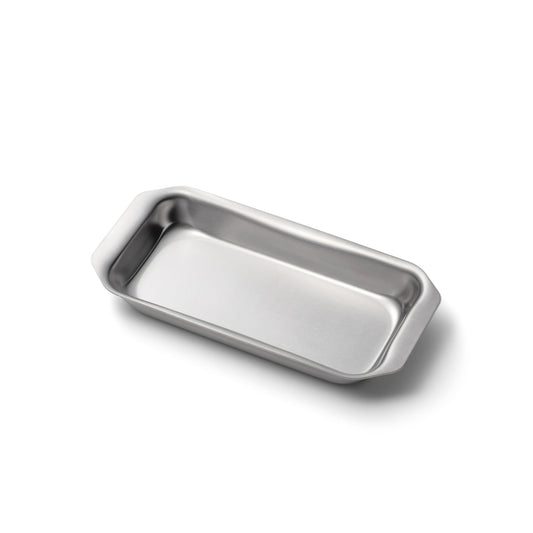
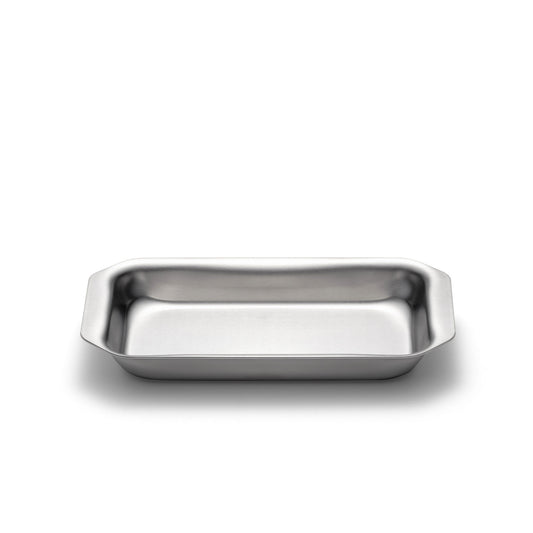
Stainless Steel Mini Loaf Pan
Expand your baking and grilling capabilities by adding the Kitchen Craft Cookware Stainless Steel Mini Loaf Pan to your collection. This pan is great for grilling or baking in the oven meatloaf, roasting vegetables and baking cakes or breads. Kitchen Craft's Mini Loaf Pan mimics the sleek design, performance and quality of their stainless steel cooking tools. It’s made with 3-Ply construction and has a T-304 surgical stainless steel baking surface. No other bakeware cooks so evenly! Most Importantly it's Made In America. As is the case with every Bakeware product in our collection, the Loaf Pan is covered by a Lifetime Warranty.
Product Features:
Outside dimensions is 11.87” x 6.87”
Inside cooking dimension is 10” x 4.75”
Inside depth = 1-9/16”
Recommended Maximum Useable Inside Capacity = 32 Ounces = 4 Cups
Max. Inside Capacity to Overflow = 44 Ounces = 5.4 CupsOven Safe ~ Cladded Metal ~ .07 Gauge ~ T-304 Surgical Grade Stainless Steel ~Made In America
Grilling Tip: Use dish soap to coat around the outside of the pan. This helps keep the grill marks off your cookware or bakeware.
Buy now Regular price $119.00Regular price $119.00Unit price per$29.75 /mo
-
 5.0 (33)
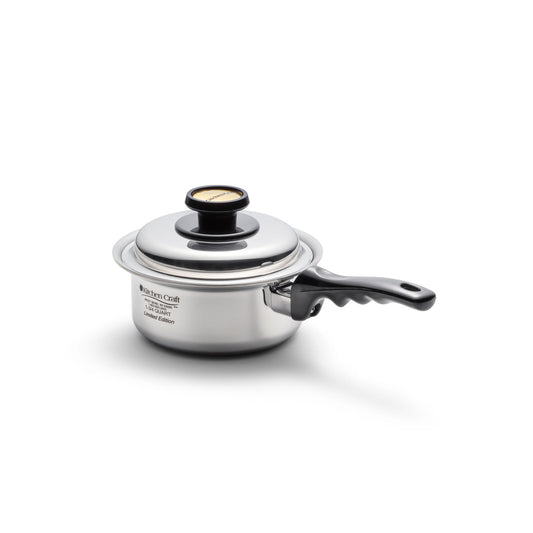
Kitchen Craft - 1-3/4 Quart Saucepan
The size and versatility of the 1.75 quart sauce pan will quickly make it one of your favorite essential tools in the kitchen. This is the perfect size for side dishes like macaroni and cheese, mashed potatoes and small casseroles.
The deeper side walls give you more space to prepare your favorite sauces, pastas and soups. The vapor seal lid allows you to cook vegetables without water which retains the natural flavors and nutrients.
Your 1.75 sauce pan is compatible on gas, electric and induction stove tops as well as in the oven up to 350 degrees. Keep your kitchen cool by using it on your Gourmet Cooker Base to create the perfect slow cooker meals for two to three people.
Dimensions: Rim Diameter - 8.00" Inside Diameter -6.37" Height - 3.38" Weight: 2.80 lbs
Buy now Regular price $379.00Regular price $379.00Unit price per$94.75 /mo
-
 4.6 (49)
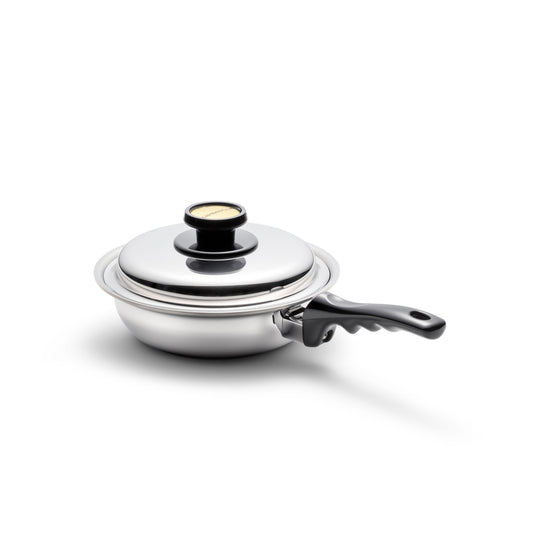
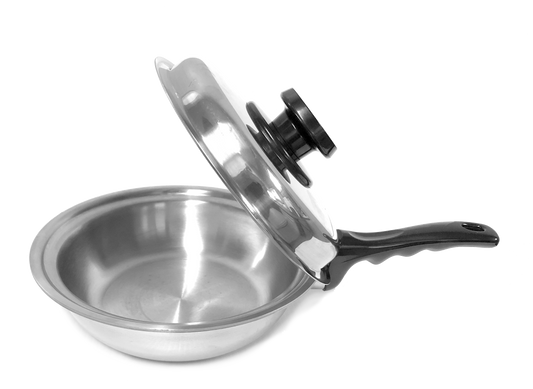
Kitchen Craft - All In One Pan
The All In One Pan will become your choice for all three meals of the day. Wake up to a breakfast unlike any you've ever tasted! It's perfect for making omelets, hash browns and sausage links. Enjoy a healthy quiche with your favorite ingredients for lunch, then bring the day to a close with a sweet treat by preparing a delightful cobbler for the evening's dessert on your stove top!
Product Details:
8 “ diameter
2” Depth without lid
2 ¾” Height with lid (not including the knob)
Weight 3 lbsBuy now Regular price $349.00Regular price $349.00Unit price per$87.25 /mo
-
 5.0 (9)
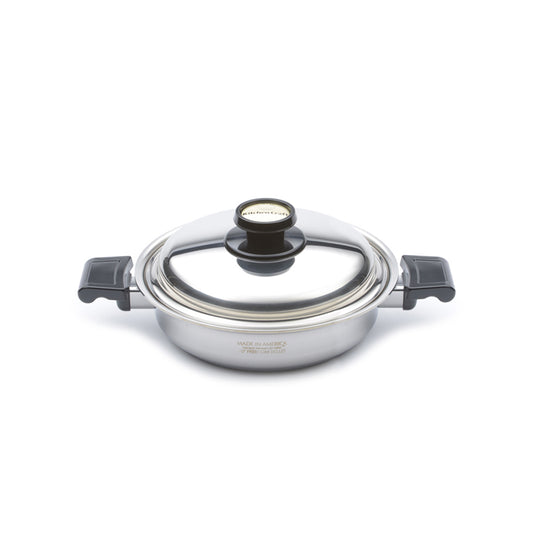
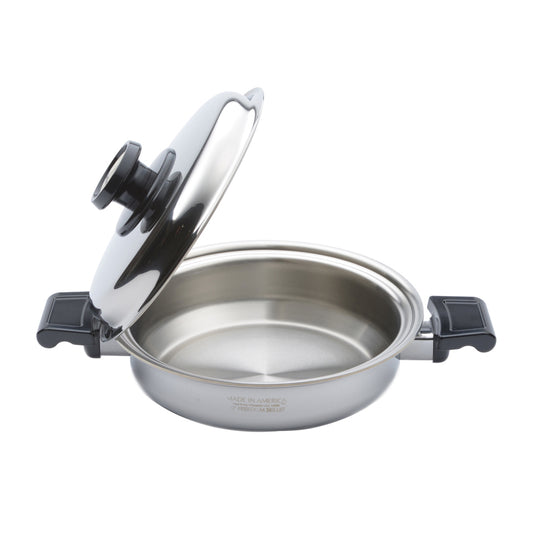
Kitchen Craft - 2.3 Qt Casserole Pan
Also known as the Medium Skillet or 10" Freedom Skillet, this is quite simply the perfect pan! We now have it available with two short handles. This is such a versatile piece, you'll want more than one! Our 2.3 Quart Casserole Pan can be used for steak, pork, chicken, fish, potatoes, vegetables, grilled cheese, the list goes on and on! And it also fits on the Gourmet Cooker Base! Does your conventional cookware set have a pan that can do all that? Not likely!
Dimensions: Rim Diameter - 10.18" Inside Diameter - 8.50" Height - 2.62" Weight: 2.30 lbs.
Buy now Regular price $399.00Regular price $399.00Unit price per$99.75 /mo
-
 5.0 (3)
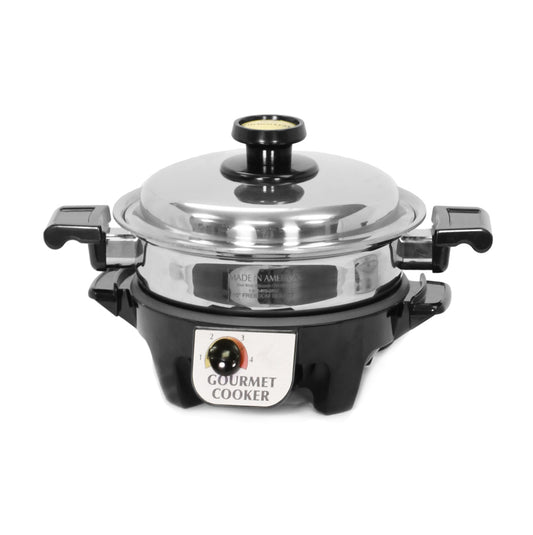
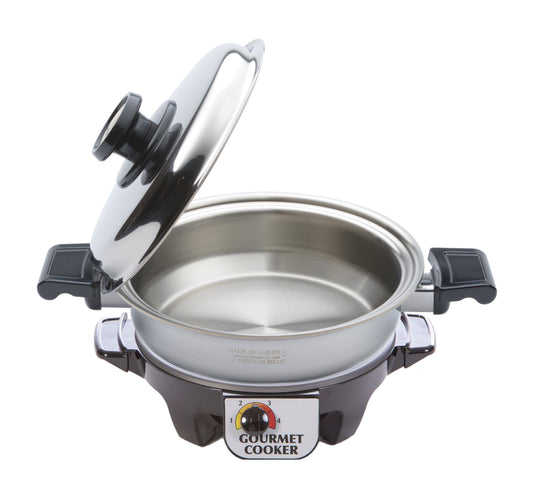
2.3 Quart Gourmet Cooker Set
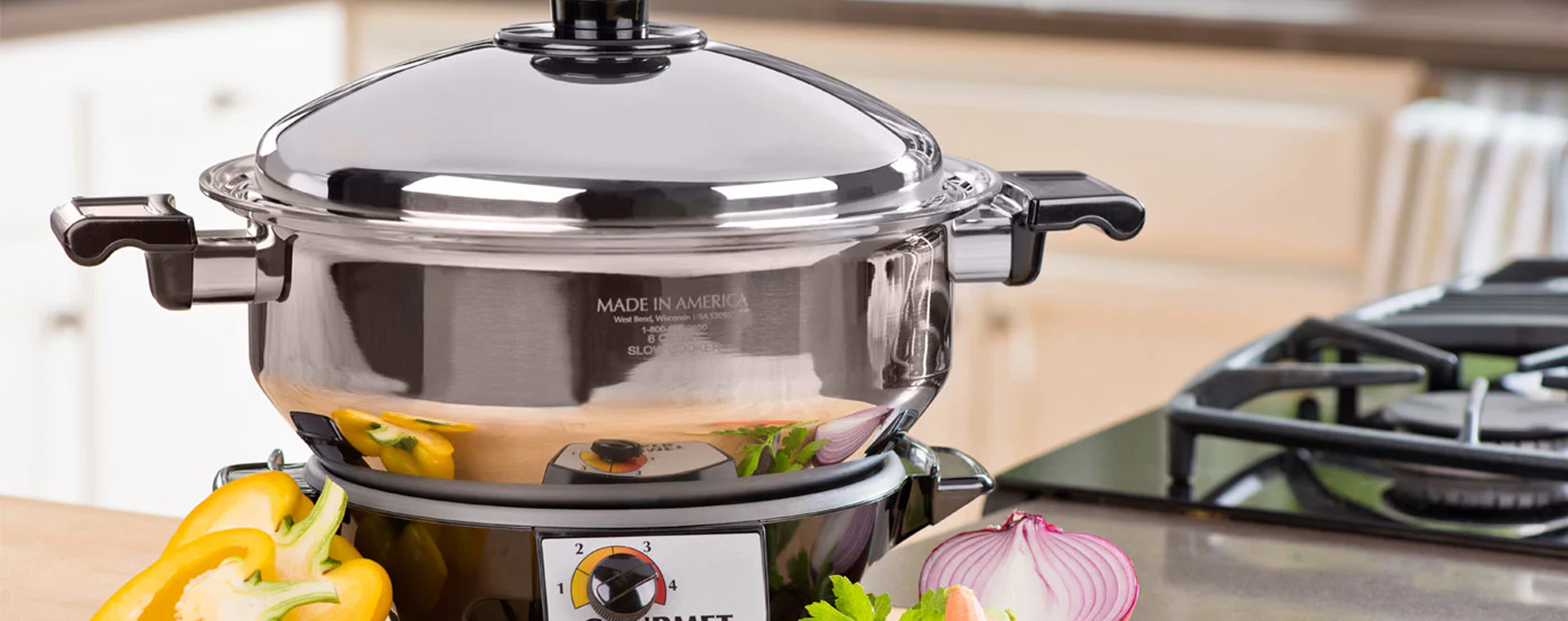
Don't want to spend hours in the kitchen making dinner or don't want to eat out anymore? Let our 2.3 Quart Gourmet Cooker do the work for you! Slow simmer a delicious pot roast or chicken with fresh vegetables that will have the whole family running to the dinner table! You'll love the time and energy you save, leaving more time to spend with family and less time in the kitchen! This piece is a must-have! The 2.3 Quart Gourmet may be used on the stove, or on the Gourmet Cooker Base (included).
Dimensions: Rim Diameter - 10.18" Inside Diameter - 8.50" Height - 2.62" Weight: 2.30 lbs.
This set includes:
2.3 Quart Gourmet Slow CookerBuy now Regular price $499.00Regular price $499.00Unit price per$124.75 /mo















Shop our Top Categories
Preserve nutrients and flavor with our innovative, no-water, no-fat cooking technology and enjoy the benefits of our premium, lifetime-warranty waterless cookware.
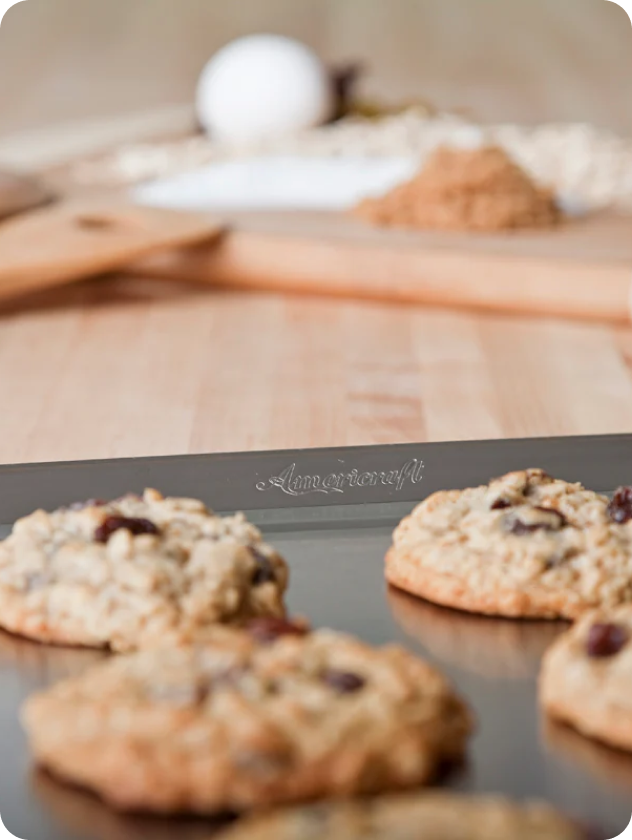
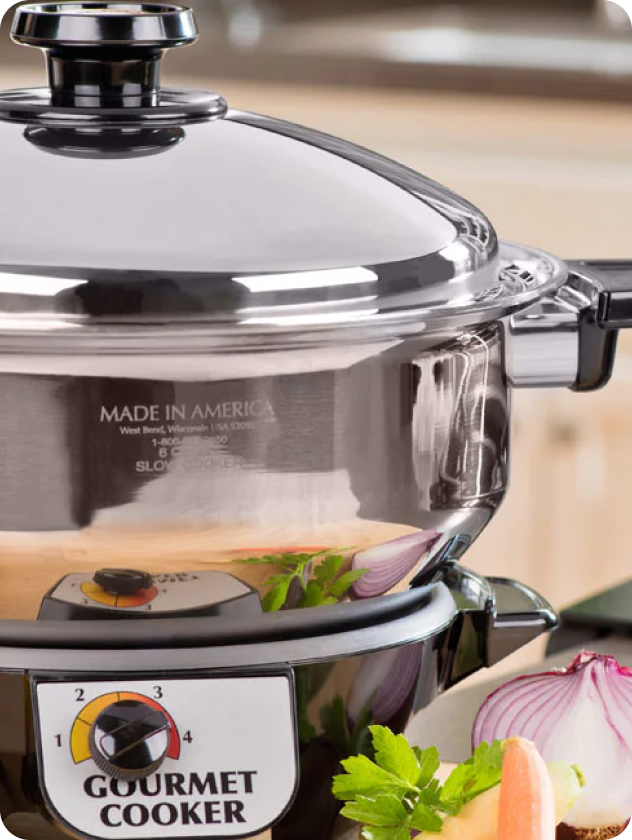
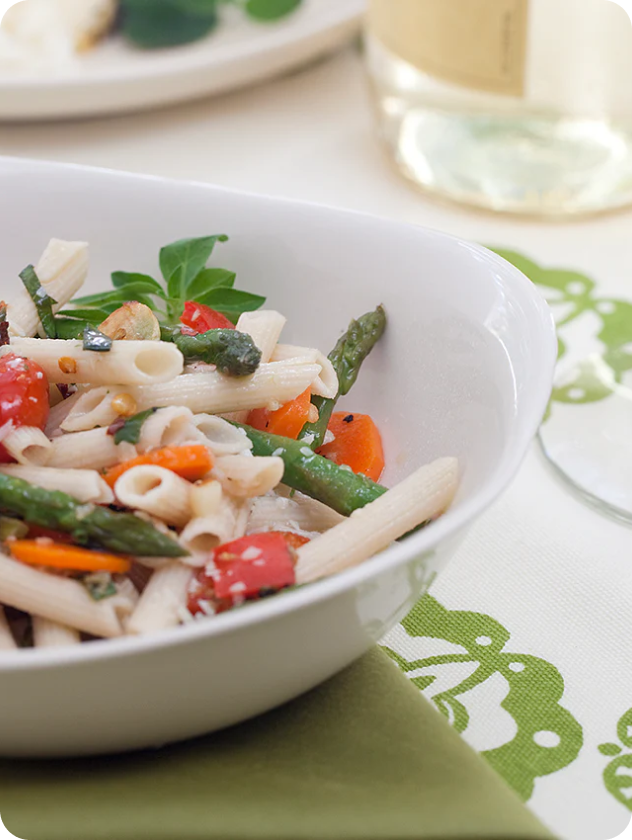
How it Works
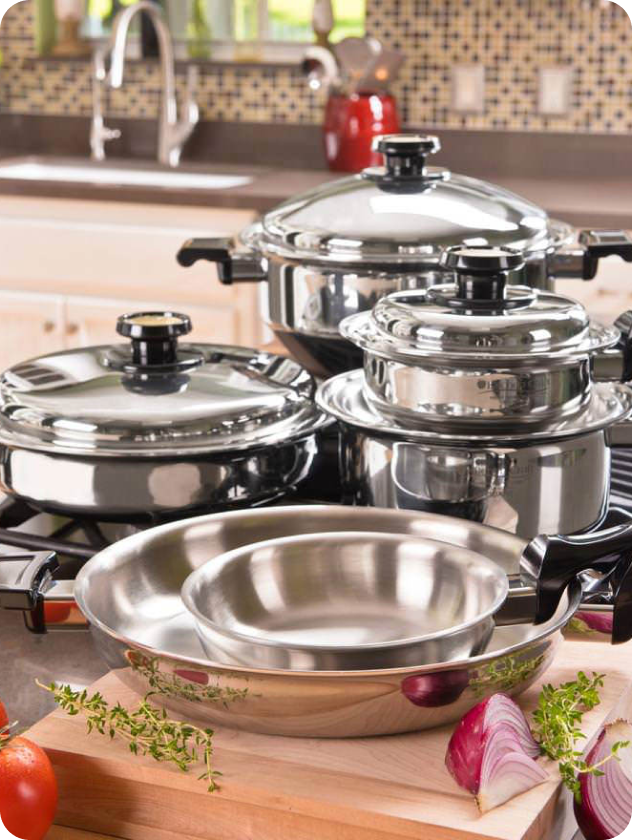
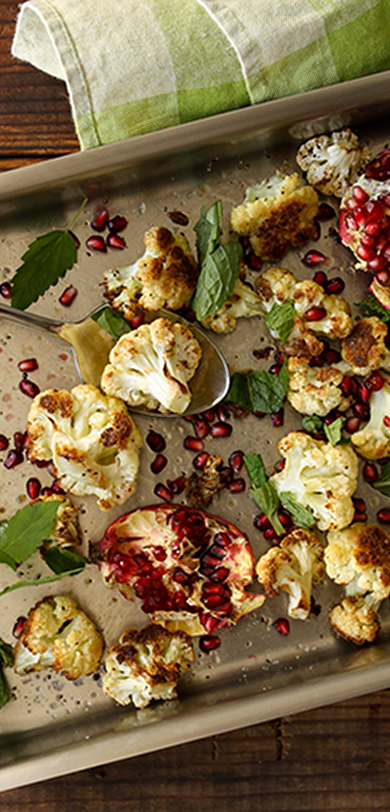
Waterless Cookware creates fast, even heat that gently surrounds your healthy recipes, from vegetables and meats to grains and baked goods. The lids are specially designed to create a Vapor® Seal that captures heat and keeps it moving around your food, not escaping out the sides. You can also use our cookware for traditional cooking style.
Our Customers Love Us


I am so happy I invested in this set of pots and pans! I am able to cook my food quickly, keeping the flavors etc. AND they clean up easily! "I am so happy I invested in this set of pots and pans! I am able to cook my food quickly, keeping the flavors etc. AND they clean up easily!"


I’ve had the pots and pans for about 27 years still look almost new. "I’ve had the pots and pans for about 27 years still look almost new."
We have had this 2 quart sauce pan since 1963. The weld on the handle broke. The staff went far above my expectations in explaining what I needed to do. "We have had this 2 quart sauce pan since 1963. The weld on the handle broke. The staff went far above my expectations in explaining what I needed to do."
The quality of the cookware is phenomenal. I loved the easy pay options, and shipping was super fast and easy. "The quality of the cookware is phenomenal. I loved the easy pay options, and shipping was super fast and easy."
- 5.0 (3)
9" Round Baking Pan
From brownies and cookie cakes to roasting vegetables, this durable, stainless steel 9" round baking pan is designed for the busy baker and home chef. With its lifetime warranty it will provide years of effortless baking and easy cleanup. Experience the even heating and baking to perfection in every bite. Whether you’re baking a cookie cake, brownie, tart or deep dish pizza our round baking pan is sure to deliver your family the ultimate experience.
Product Features:
Diameter Tab to Tab 10.75"
Inside Cooking Diameter: 9"
Inside Height: 1"
Product Weight: 1lb 5oz
Oven Safe Up To 500 Degrees
Cladded Metal
.07 Gauge
T-304 Surgical Grade Stainless Steel
Handcrafted in the U.S.A
This Item Includes:
9" Round Baking Pan and Certificate of Authenticity.Buy now Regular price $119.00Regular price $119.00Unit price per$29.75 /mo
- 5.0 (1)
9" Round Cake Pan with No Handles
Durable 9" round stainless steel baking pan ensures even heating for perfect brownies, cookie cakes, and more with lifetime warranty.Buy now Regular price $109.00Regular price $109.00Unit price per$27.25 /mo
- 5.0 (6)
Multi Ply Stainless Steel Loaf Pan with Tab Handles
Expand your baking capabilities by adding the Kitchen Craft Cookware Stainless Steel Loaf Pan to your collection. Measuring slightly larger than most, Kitchen Craft Cookware's Loaf Pan mimics the sleek design, performance and quality of their stainless steel cooking tools. It’s made with 3-Ply construction and has a T-304 surgical stainless steel baking surface. No other bakeware cooks so evenly! It has convenient tab handles that will fit perfect in small toaster or convection oven and most importantly, it's Handcrafted in the USA. As is the case with every Kitchen Craft Bakeware product, the Loaf Pan is covered by a Lifetime Warranty.
Product Features:
Dimensions Rim to Rim: 11-7/8
Inside Height: 2-5/8"
Inside Cooking Dimensions: 10"x5"
Height Outside: 2-3/4"
Weight: 1.5bs
Oven Safe 500 Degrees
Cladded Metal
.07 Gauge
T-304 Surgical Grade Stainless Steel
5-Ply
Handcrafted in the U.S.A.Buy now Regular price $129.00Regular price $129.00Unit price per$32.25 /mo
- 4.6 (14)
Stainless Steel Mini Loaf Pan
Expand your baking and grilling capabilities by adding the Kitchen Craft Cookware Stainless Steel Mini Loaf Pan to your collection. This pan is great for grilling or baking in the oven meatloaf, roasting vegetables and baking cakes or breads. Kitchen Craft's Mini Loaf Pan mimics the sleek design, performance and quality of their stainless steel cooking tools. It’s made with 3-Ply construction and has a T-304 surgical stainless steel baking surface. No other bakeware cooks so evenly! Most Importantly it's Made In America. As is the case with every Bakeware product in our collection, the Loaf Pan is covered by a Lifetime Warranty.
Product Features:
Outside dimensions is 11.87” x 6.87”
Inside cooking dimension is 10” x 4.75”
Inside depth = 1-9/16”
Recommended Maximum Useable Inside Capacity = 32 Ounces = 4 Cups
Max. Inside Capacity to Overflow = 44 Ounces = 5.4 CupsOven Safe ~ Cladded Metal ~ .07 Gauge ~ T-304 Surgical Grade Stainless Steel ~Made In America
Grilling Tip: Use dish soap to coat around the outside of the pan. This helps keep the grill marks off your cookware or bakeware.
Buy now Regular price $119.00Regular price $119.00Unit price per$29.75 /mo
- 5.0 (33)
Kitchen Craft - 1-3/4 Quart Saucepan
The size and versatility of the 1.75 quart sauce pan will quickly make it one of your favorite essential tools in the kitchen. This is the perfect size for side dishes like macaroni and cheese, mashed potatoes and small casseroles.
The deeper side walls give you more space to prepare your favorite sauces, pastas and soups. The vapor seal lid allows you to cook vegetables without water which retains the natural flavors and nutrients.
Your 1.75 sauce pan is compatible on gas, electric and induction stove tops as well as in the oven up to 350 degrees. Keep your kitchen cool by using it on your Gourmet Cooker Base to create the perfect slow cooker meals for two to three people.
Dimensions: Rim Diameter - 8.00" Inside Diameter -6.37" Height - 3.38" Weight: 2.80 lbs
Buy now Regular price $379.00Regular price $379.00Unit price per$94.75 /mo
- 4.6 (49)
Kitchen Craft - All In One Pan
The All In One Pan will become your choice for all three meals of the day. Wake up to a breakfast unlike any you've ever tasted! It's perfect for making omelets, hash browns and sausage links. Enjoy a healthy quiche with your favorite ingredients for lunch, then bring the day to a close with a sweet treat by preparing a delightful cobbler for the evening's dessert on your stove top!
Product Details:
8 “ diameter
2” Depth without lid
2 ¾” Height with lid (not including the knob)
Weight 3 lbsBuy now Regular price $349.00Regular price $349.00Unit price per$87.25 /mo
- 5.0 (9)
Kitchen Craft - 2.3 Qt Casserole Pan
Also known as the Medium Skillet or 10" Freedom Skillet, this is quite simply the perfect pan! We now have it available with two short handles. This is such a versatile piece, you'll want more than one! Our 2.3 Quart Casserole Pan can be used for steak, pork, chicken, fish, potatoes, vegetables, grilled cheese, the list goes on and on! And it also fits on the Gourmet Cooker Base! Does your conventional cookware set have a pan that can do all that? Not likely!
Dimensions: Rim Diameter - 10.18" Inside Diameter - 8.50" Height - 2.62" Weight: 2.30 lbs.
Buy now Regular price $399.00Regular price $399.00Unit price per$99.75 /mo
- 5.0 (3)
2.3 Quart Gourmet Cooker Set
Don't want to spend hours in the kitchen making dinner or don't want to eat out anymore? Let our 2.3 Quart Gourmet Cooker do the work for you! Slow simmer a delicious pot roast or chicken with fresh vegetables that will have the whole family running to the dinner table! You'll love the time and energy you save, leaving more time to spend with family and less time in the kitchen! This piece is a must-have! The 2.3 Quart Gourmet may be used on the stove, or on the Gourmet Cooker Base (included).
Dimensions: Rim Diameter - 10.18" Inside Diameter - 8.50" Height - 2.62" Weight: 2.30 lbs.
This set includes:
2.3 Quart Gourmet Slow CookerBuy now Regular price $499.00Regular price $499.00Unit price per$124.75 /mo
Use & Care
You can use Kitchen Craft for any of your favorite recipes. However once you learn how to cook using waterless, you will quickly taste the difference.
Explore NowExplore the Catalog
Discover our full range of cookware, bakeware, and accessories to complete your kitchen setup.
Explore NowNeed Help to Get Started?
Have more questions or need personalized advice? Our team of specialists is here to help you make the best choice for your kitchen.
Explore NowArticles & Recipes
Praesent auctor purus luctus enim egestas, ac scelerisque ante pulvinar. Donec ut rhoncus ex. Class aptent taciti sociosqu ad litora.
Healthier and Better
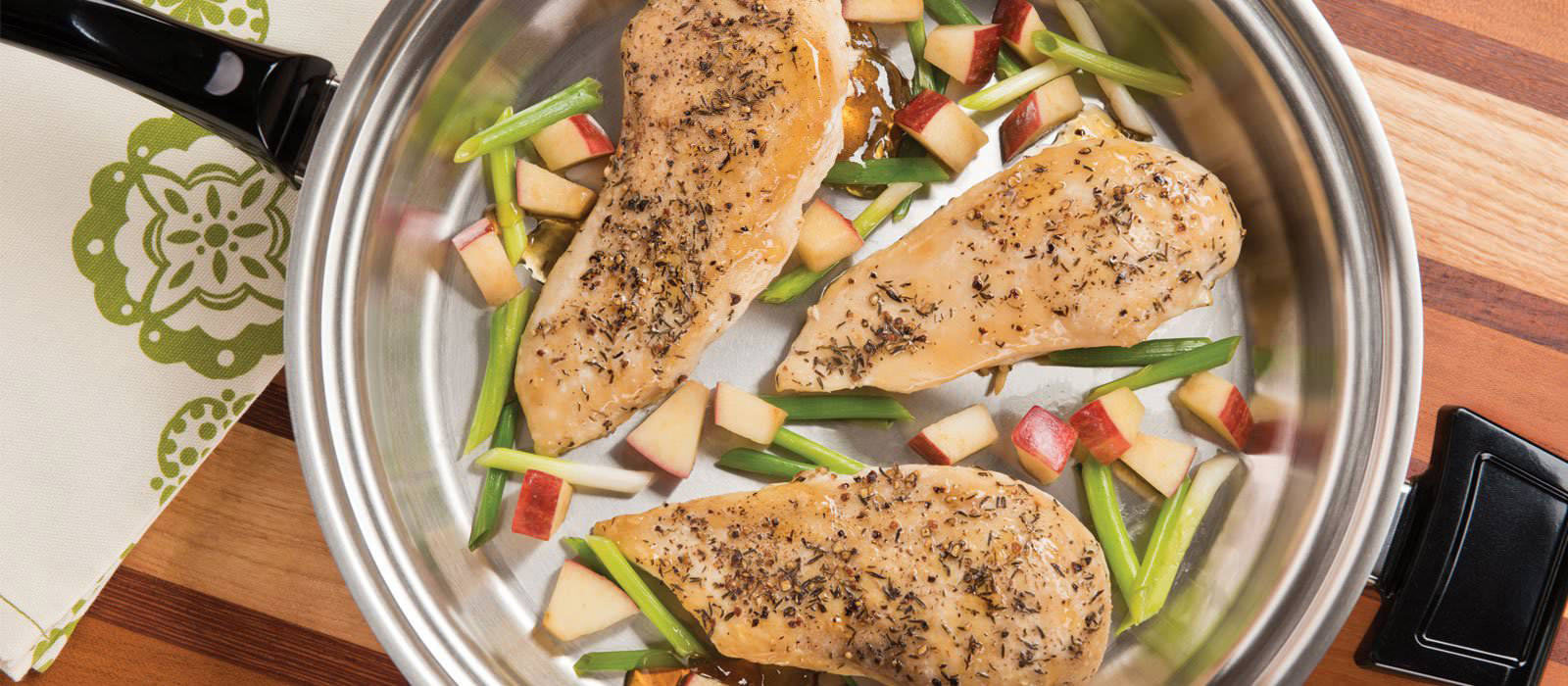
Frying without grease reduces calories,cholesterol and artery clogging plaque.The waterless and greaseless method isthe healthiest method of cooking ever because the cookware’s even heat distribution does the cookinginstead of the water and grease distributing the heat.